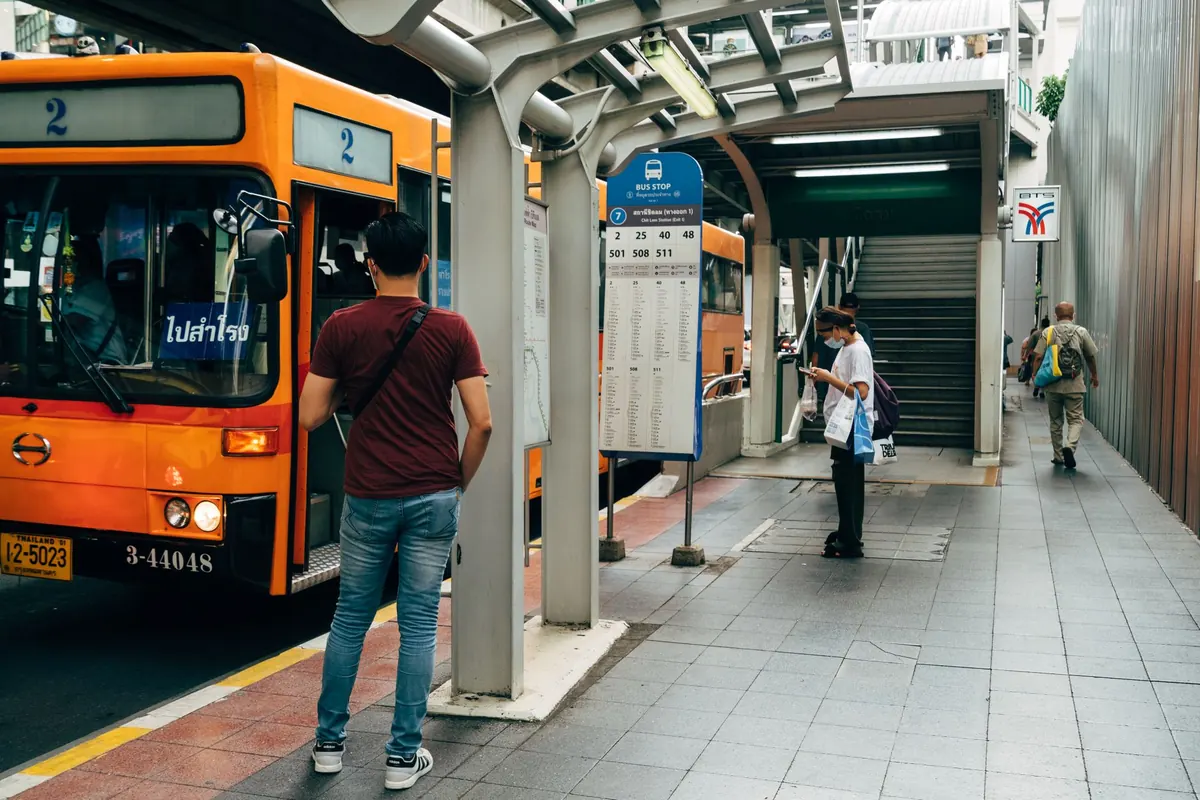
How to Set Up a Neighborhood Watch in Your Ashford Street: A Practical Guide
Most neighborhood watches start with something small. A gate left open. A car idling at the end of the road three nights running. A neighbor you have nodded at for six years and never actually spoken to. Nobody calls anyone, nothing gets organized, and the vague unease just sits there.
It takes less than you think to change that. A watch is not a patrol, a security firm, or a group of people peering through curtains. It is a handful of households who know each other's names, know what is normal on their street, and know who to call when something is not. Here is how to get one running in Ashford, from the first conversation to the first meeting.
What a Neighborhood Watch Is, and What It Is Not
Two jobs, and the second one gets forgotten.
The first is reporting. Neighbors who know each other notice things — a van parked oddly for three days, a side gate swinging open, someone walking a route that does not fit — and pass it on rather than wondering privately whether it is worth mentioning.
The second is company. Streets where people know each other are harder to burgle and easier to live on. Half the value of a watch is having a number to text when you are away and want someone to bring the bin in.
What it is not: a patrol, a reason to confront anyone, or a substitute for calling the police. Members watch, note and report. That boundary keeps people safe and keeps the group credible.
Start With Three Neighbors, Not Thirty
Before you knock on a single door, check whether a scheme already covers your street. Ask your local council, a residents' association, or the neighborhood policing team. Two half-hearted watches on one road do less than one that works.
Then find three or four people willing to do a bit of organizing. That is enough to start.
- A coordinator — the person the police and council contact, and who keeps things moving.
- A deputy — so the whole thing does not stall when the coordinator goes on holiday.
- A note-taker — writes up meetings and looks after the contact list.
- A council contact — chases lighting, rubbish dumping, parking and the things that are not police matters.
Keep it informal at this stage. You do not need a constitution, a bank account or a committee. You need four people who will turn up.
Bring the Police In Early
Contact your local force through the non-emergency route — call 101 or use the contact form on the force's website — and ask for the neighborhood policing team or whoever handles crime prevention. Say which street you are on, roughly how many households are involved, and that you are setting up a watch.
Worth asking for:
- A named contact and the best way to reach them.
- Whether the force has a registration process or a guidance pack.
- Whether an officer or PCSO can come to your first meeting.
- How to report the sort of non-urgent things your street sees, so everyone uses the same route.
- A short picture of what has actually been reported locally, so nobody is working from rumor.
Use 999 for emergencies only; for everything else, 101 or the force website. If you are unsure whether something is worth reporting, report it and let the police decide.
Plan the First Meeting Properly
Pick a weekday evening, around 7pm, and book somewhere easy to reach: a community hall, a church room, the back room of a pub. Not a private house. Some people will not walk into a stranger's living room, and you will never know who stayed home.
Invite people with printed flyers through every door, not just a post in a local Facebook group. Not everyone uses the same app, and renters are usually left off invitations even though they often notice the most. Put the date, time, place and one plain sentence about why it matters on the flyer. No jargon.
A meeting that works runs roughly like this:
- Introductions, ten minutes. Name, street, how long you have lived there. House numbers optional.
- Why we are here, ten minutes. Two or three people say what prompted this. Keep it factual; it is not a complaints session.
- Police input, fifteen minutes. An officer, or the message your contact passed on.
- How we stay in touch, fifteen minutes. Agree one main channel and one backup for people who are not online.
- Ground rules, ten minutes. What the group does and does not do.
- Next steps, ten minutes. Set the date of the next meeting before anyone leaves.
Give one person the job of chairing and another the job of writing things down, and finish on time. A group that does not meet again fades within a fortnight.
Agree How You Will Communicate
Most watches end up with a messaging group, and most messaging groups need a rule or two from day one.
- Report to the police first, then tell the group — "reported to 101, reference 1234" rather than "does anyone know who this was".
- No speculation about who might be responsible. That is how rumors start and how neighbors fall out.
- No sharing anyone's personal details without their agreement.
- Keep the contact list private and do not pass it outside the group.
- Run a phone tree or a printed list for anyone who would rather have a call than a notification.
If you collect a few pounds for a street sign, keep a simple written record of what came in and what went out, and show it at the next meeting. Money is the fastest way to sour a friendly street. If anything about handling payments, insurance or liability feels unclear, get proper advice before you start collecting.
Keep It Going After Meeting One
Meet every two or three months, and rotate the jobs so nothing depends on one person's goodwill. Look for small visible wins: a repaired street light, a sign at the entrance to the road, a parking problem raised with the council and actually answered. Those are what keep people coming back.
Be honest about what a watch can do. It will not cut crime on its own, and it will not turn your street into a fortress. It does make reporting better and the street less anonymous, which is worth more than it sounds.
Your First Three Weeks
- Week one. Talk to three neighbors. Ask the council or police whether a scheme already exists nearby.
- Week two. Call 101 or use the force website. Ask for the neighborhood policing team, request their guidance, and see whether someone can attend your first meeting.
- Week three. Book the room, print the flyers, deliver them, confirm your police contact, and write down your agenda.
- Then. Hold the meeting, agree one way to stay in touch, set the next date, and follow up with everyone who came.
Start with the three neighbors this week. The rest follows from that.
Photo: Kindel Media / Pexels