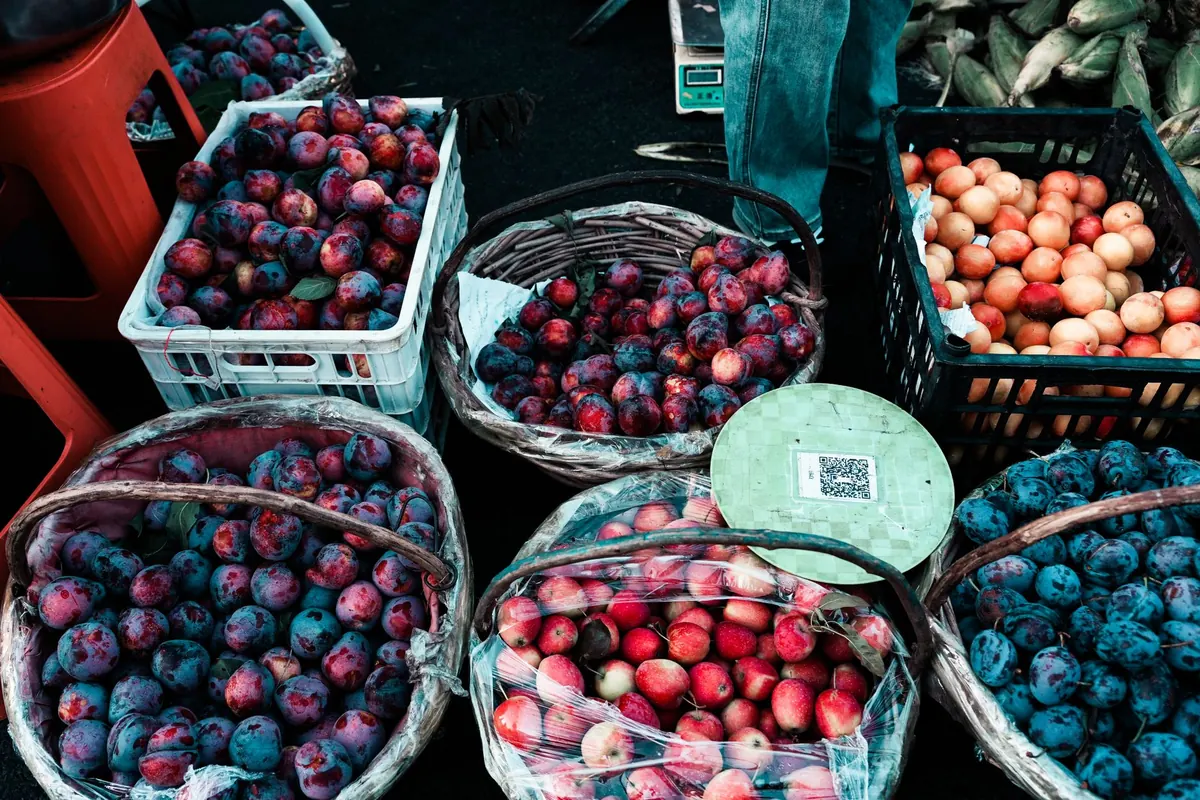
Ashford Farmers' Market: A Month-by-Month Guide to What's in Season
A farmers' market is a calendar you can eat, and in Ashford that calendar turns quickly. Stalls heaped with purple sprouting broccoli in March are selling cherries by July and squash by October. Knowing roughly what arrives when makes a Saturday trip far less of a lottery: you buy what is genuinely good that week, you waste less, and you stop paying over the odds for produce that has travelled further than you have.
The shape of the Ashford market year
The local growing year rarely follows the calendar exactly. A cold, wet spring can hold everything back by two or three weeks; a warm April can bring asparagus and early strawberries forward. Treat the months below as a rough map rather than a timetable, and let the stalls correct you.
Most markets mix three kinds of seller: growers with a field within a short drive, small producers working with local fruit and dairy, and makers selling things that keep — bread, cheese, preserves, cured meat, honey. That mix matters when you plan a shop. Fresh produce dictates when you go; the rest fills the bag. Check your local market's day and frequency before setting out, because not every one runs weekly.
Spring: March to May
March is the tail end of the hungry gap. Expect leeks, kale, cabbage, purple sprouting broccoli, stored apples and pears, and the last of the forced rhubarb. It is a month for roots and greens cooked slowly — a tray of roasted celeriac, carrots and leeks beats pretending a pale greenhouse tomato is worth eating.
April brings the first proper change: spring greens, salad leaves, radishes, spinach, spring onions, wild garlic from the wooded corners of the county, and rhubarb at its best. Late April, English asparagus starts appearing, and it runs roughly to midsummer.
May is when the market fills out. Asparagus in quantity, broad beans, early peas, new potatoes, and the first strawberries if the weather has been kind. Choose asparagus with tight tips and firm stems, and eat it within two days. Stand the spears upright in a jug with an inch of water in the fridge, or wrap the ends in damp paper. Rhubarb freezes well: chop it, bag it, and it will carry you into winter.
Summer: June to August
From June the market turns into a fruit shop. Strawberries, raspberries, gooseberries, blackcurrants and cherries arrive in succession, followed by courgettes, cucumbers, outdoor tomatoes, runner beans, beetroot and more salad than you can realistically eat.
Soft fruit is the most fragile thing you will buy all year. Don't wash it until you are ready to eat it, keep it in a single layer where you can, and freeze anything you won't get through in a couple of days. Berries freeze best spread on a tray first, then bagged, so they don't clump together.
Tomatoes should never go in the fridge. Cold dulls the flavour and turns the texture mealy; keep them on the counter, out of direct sun, and eat them at room temperature. Plums and apricots can ripen on the counter for a day or two before they go in the cold. Summer is also the time to buy in bulk and preserve: a crate of strawberries for jam, a box of courgettes for chutney, bags of beans for the freezer.
Autumn: September to November
October is usually the best month for value. Apples and pears come in hard, along with plums, damsons, blackberries, sweetcorn, squash, pumpkins and the first proper kale and cabbages. Maincrop potatoes, onions and garlic arrive and will keep for weeks if you store them properly.
Parsnips and sprouts improve after a frost, so they get sweeter as the year goes on. Cobnuts and chestnuts turn up too. If anyone is selling foraged mushrooms, buy only from a seller you trust, and never eat anything you cannot identify with certainty — this is the one part of the market where a mistake is genuinely dangerous.
Apples are the storage project of the season. Keep them cool, dark and separate from other produce; the ethylene they give off ripens everything nearby. A garage, shed or spare-room floor works better than a fruit bowl. Onions and potatoes should also be kept apart from each other, in paper or mesh, in the dark.
Winter: December to February
Winter is root season, and the market looks it: parsnips, carrots, swedes, turnips, celeriac, Jerusalem artichokes, leeks, kale, cavolo nero, Brussels sprouts and red cabbage. Purple sprouting broccoli returns towards the end of February, along with forced rhubarb, and that is the first real sign the year is turning.
Stored apples and pears, squash, preserves, cheese, bread and cured meat carry the stalls through the thin months. You may also see imported citrus at some stalls — worth buying if you want it, but be aware it did not come from a field down the road.
Roots keep well. Knock the mud off, don't wash them, and store in a cool dark place in paper or a hessian sack. Cut the tops off carrots and beetroot before storing so they don't pull moisture out of the root.
Shopping tips that make the trip worthwhile
Most of the week's value comes from how you shop, not just what you buy.
- Arrive early for soft fruit and anything limited; arrive in the last half hour for bargains, accepting thinner choice.
- Ask what came in that morning. Stallholders know exactly which crate is freshest.
- Bring cash and your own bags — small stalls may not take cards, and sturdy bags protect soft fruit.
- Take a cool bag in summer, even for a twenty-minute drive home.
- Ask about "seconds". Slightly marked fruit and vegetables are ideal for jam, soup and freezing.
- Buy the amount you will actually cook. Three perfect courgettes beat a bargain box of twelve.
- Don't squeeze, prod or peel back husks. Handle only what you intend to buy.
- Build a relationship. Regulars get told about the good stuff first.
Storage habits worth keeping
A few rules cover most of the year's produce. Keep the fridge cold and not overfilled — air needs to move, and a packed fridge freezes nothing evenly and rots the edges. Leafy greens last longer wrapped in a damp cloth or paper towel and bagged. Herbs keep like flowers: stems in water, a loose bag over the top. Berries stay dry until the moment they are eaten. Tomatoes, onions, garlic, potatoes, squash and most whole fruit stay out of the fridge. Anything you won't use within three days is a candidate for the freezer, blanched first if it is a green vegetable.
The wider point is simple: buy for the week you are actually going to have, not the one you imagine. A market shop built around what is in season at that moment costs less, tastes better and, with a little care on the way home, throws away far less. Go early, ask questions, and let the stalls tell you what month it is.
Photo: 金枫 郭 / Pexels